Quick answer
CTO stamps are cancelled to order: they receive a postal cancellation without passing through the mail. A neat corner mark and remaining gum can suggest CTO, but postal history and issue context matter too. Identify the issue and cancellation status before comparing prices for mint, postally used or collector-cancelled examples.
What CTO means on a stamp
CTO stands for cancelled to order. The Philatelic Foundation defines the related cancelled-to-order or favor-cancelled category by a genuine postal cancellation on an item that did not pass through the mails. The mark is therefore not evidence that the stamp carried a letter.
This explains why a stamp can look used on the front yet retain gum on the back. It may have been cancelled specifically for sale or delivery to collectors. The ESPER Stamp Society glossary describes lightly corner-cancelled material with full gum as a common CTO appearance.
For an album record, separate two questions: which stamp is this, and how was it cancelled? CTO is a treatment category, not the name of one country, design or catalog number. Our stamp cancellation guide provides the wider vocabulary for reading postal markings.
Compare CTO, mint, postally used and precancelled
An uncancelled stamp with original gum and a cancelled stamp with gum occupy different categories. Do not describe a CTO as mint simply because its reverse is clean. Likewise, a clean circular date stamp does not by itself establish that a loose stamp passed through the mail.
Precancelled material is another distinct case: an authorized mark can be applied before ordinary postal processing. Collector cancellation and precancellation should not be used as interchangeable labels. The status of a first-day cover also needs its own postal and collector context.
| Category | Question to answer | Record to keep |
|---|---|---|
| Mint/unused | Is it uncancelled, and what gum remains? | Gum and hinge description |
| Postally used | What evidence supports actual postal use? | Cover, date and postal marks |
| CTO/favor cancelled | Was it cancelled without postal passage? | Issue context and cancellation status |
| Precancelled | Was an authorized mark applied before handling? | Mark type and underlying issue |
CTO clues worth checking together
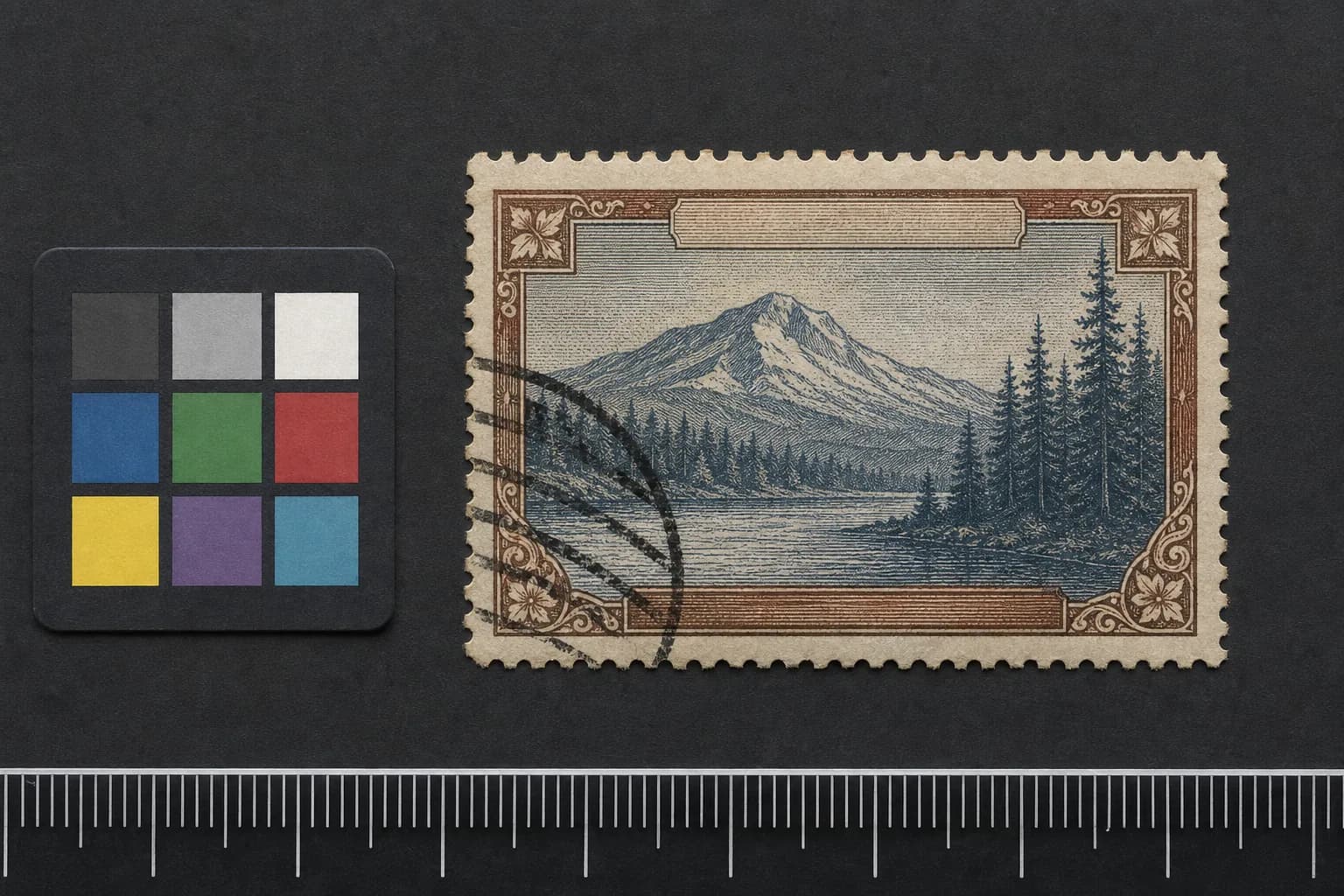
Look at the front and back before deciding. Remaining gum, a tidy mark in a corner and repeated cancellation placement across several stamps can form a useful pattern. None should be read alone: a collector might have selected an attractively cancelled used copy, or a CTO might have lost its gum through earlier handling.
Compare a set or group as a group. Do several designs bear the same date and a similarly positioned mark? Was the material kept in its original packet with a description? These observations help you ask a precise question about the issue’s distribution rather than assuming its status from one photograph.
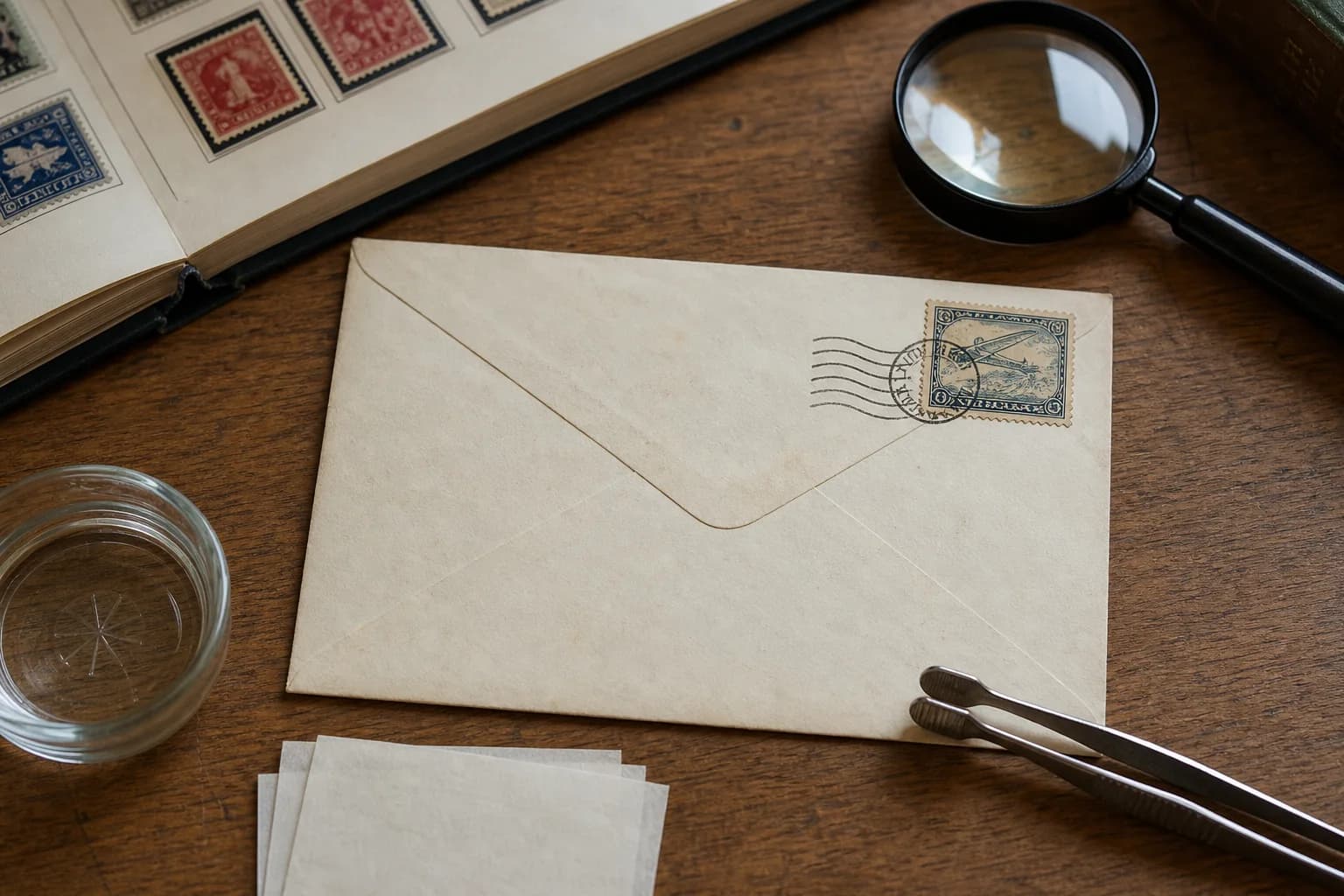
If an intact cover accompanies the stamp, read the whole object. Addressing, rate, other marks and the route can give context beyond a neat strike. A souvenir envelope and a commercially carried letter can look similar in a cropped image. Keep the cover while those details are unresolved.

How CTO status affects value comparisons
There is no single CTO price: the issue, completeness, condition and collector demand remain important. The American Philatelic Society discusses collector-market packets and preprinted cancels as a distinct way of distributing material. A large attractive assortment is therefore not automatically a rare postal-history collection.
Compare CTO with CTO when the status is known. A catalog column for used material may describe postally used examples or handle collector-cancelled issues differently, so read the catalog notes before taking its number. A mint offer or a scarce postal use will answer a different question.
Keep complete sets, attached multiples and original packaging together until you have identified what was offered. Count missing values and damaged stamps rather than multiplying a single-stamp price by the total. Our collection-value guide explains how to assess an album through comparable groups and representative pieces.
Collecting CTO without changing the evidence
CTO can be a practical collecting choice when your aim is to study designs, build a topical group or organize a country sequence. Decide whether your album accepts CTO, postally used material or both. A clearly stated collecting rule makes it easier to choose purchases and avoid replacing a piece simply because its cancellation status is different.
If full gum remains, use storage that leaves it untouched. Do not soak a stamp just to make it resemble a postally used copy. Removing gum changes a feature that helps describe how the piece reached collectors, while leaving a cancellation in place.
The hinges and mounts guide explains housing choices. Label the status in your inventory, keep packaging notes and save a reverse image. For a purchase, ask whether the seller means CTO, favor cancelled or genuinely postally used instead of relying on the single word used.
Genuine collector cancellation and a false mark differ
A genuine stamp cancelled for a collector is not a counterfeit merely because it did not travel in the mail. The Philatelic Foundation separates genuine favor cancellations from counterfeit or altered cancellations. Identify what is being claimed before evaluating it: the stamp, the postal mark and the postal journey are different questions.
If the cancellation is the reason an otherwise ordinary stamp appears expensive, ask for the issue-specific evidence. Does the date fit, what office is named and is there a certificate covering that mark? An unknown fragment should remain an unknown fragment rather than becoming a rare office through guesswork.
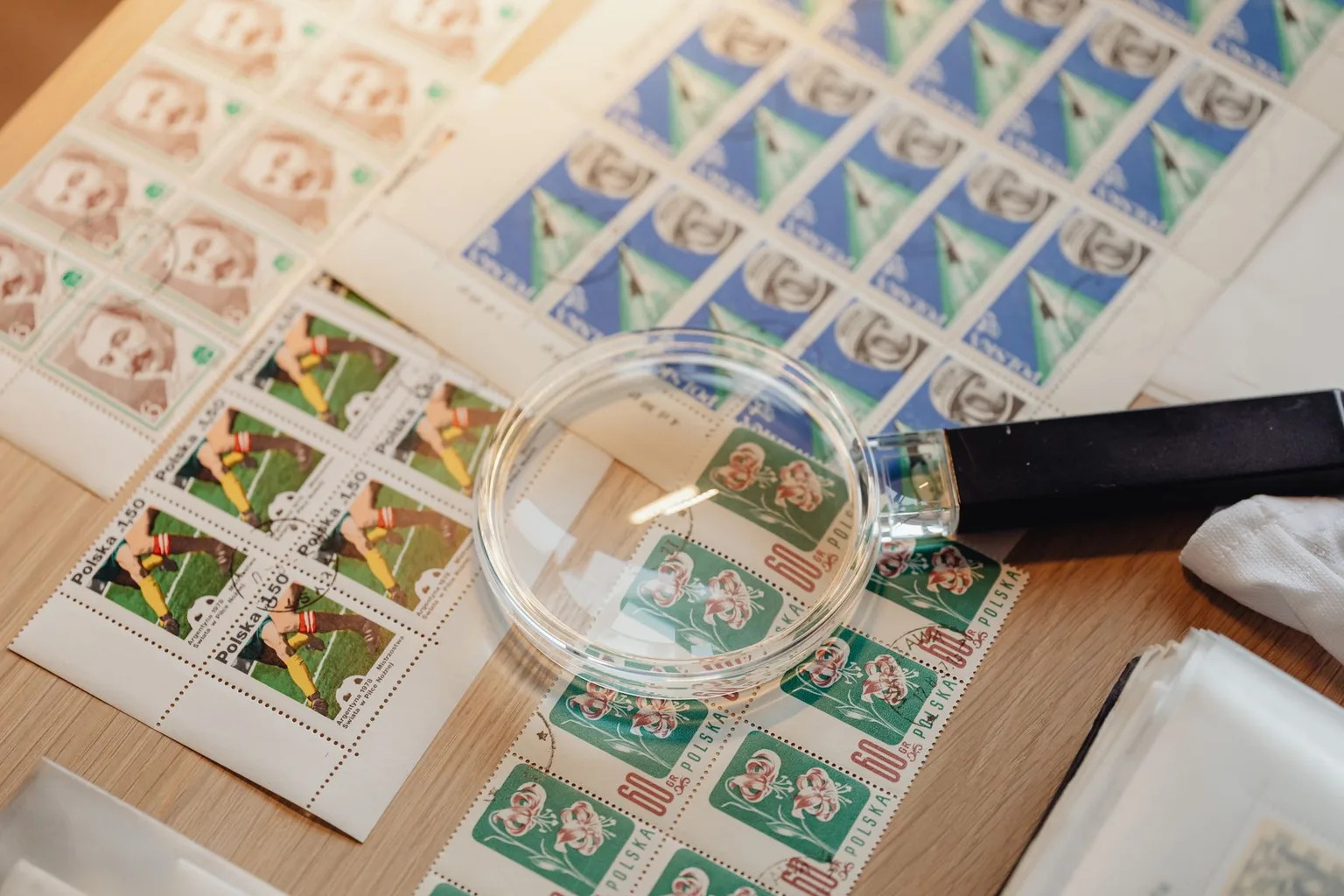
For an inherited packet of colorful stamps, start with country and issue, then look for repeated CTO clues. Our beginner collecting guide helps choose a manageable focus. You can keep the stamps as useful collection material while researching their precise cancellation category.
Compare a like-for-like price
Use the catalog identity, format and condition together when looking for a comparable. A single, pair, booklet pane and complete cover belong in different searches. A catalog number without its suffix can leave out the very feature that explains the price. Keep the catalog publisher and edition in your notes so another collector can reproduce the identification.
Our old stamps price list gives a broader set of dealer offers to compare after identification. Make two lists: currently offered examples and completed sales. In the first, record the asking price and whether postage is extra; in the second, record the date, currency, lot contents and any buyer’s premium. Keep the original currency until you have made the comparison.
An expensive listing can be an optimistic seller, a different variety or a much better specimen. Read the description and examine the photographs before adding it to your comparison. If three apparent matches disagree widely, investigate their differences rather than averaging their prices. A small bundle of ordinary stamps also needs a bundle comparison, because selling costs can exceed the value of a single.
Inspect the front, back and edges
Begin with the item as you found it. Photograph the front and reverse under neutral light and keep every edge visible. Look for tears, thin spots, creases, missing perforation teeth, staining and repairs. Describe a fault by its location, such as a short tooth at the upper right, so it can be checked against the image.
For an unused stamp, record whether gum is present and whether a hinge mark or residue remains. For a cancelled stamp, note how much of the design is covered and whether a place or date can be read. The stamp condition guide explains the vocabulary for a useful description. Do this before comparing a sharp, centered dealer example with your own copy.
Keep a stamp on its complete envelope or card while researching it. The address, date, rate and other postal markings can explain how it was used. A loose-stamp price will not describe that combination. Avoid cleaning the paper, tracing a faint mark or trimming an edge to make the item look tidier; each would change evidence you are trying to read.
Check your stamp from a photo
Place one stamp on a plain background and photograph it straight on. Include the full outline and focus on the printed design, not the album page behind it. Use the free checker below for a first identification and value estimate, then compare its suggested issue with the specific features in this guide.
Add collector notes with observations that the picture does not show clearly: a measured perforation, a legible inscription, original gum, an attached envelope or a catalog reference already written in the album. Write observations rather than the rare variety you hope to find. Save the original photograph so you can compare it with a later close-up.
See the photo identification workflow for lighting and focus. If several stamps are attached as a pair or block, keep them connected and describe that format in your notes. For a whole album, take individual photographs of representative issues before working through duplicates.
Drop a stamp photo here
Show the full stamp, every perforation, and as much front detail as possible in even light.
Organize your CTO stamps and complete sets
Install Stamp Value Identifier & Scan for free on iOS or Android. Scan your stamps one by one, save their results together and return to the issues you want to research next.
Build a useful collection record
Assign the item a simple reference and keep its photographs, candidate catalog number, measurements, condition notes and price comparisons together. Separate what you have observed from what still needs checking. For example, a visible numeral is an observation; a catalog identity that depends on a watermark is a candidate until that watermark is established.
When asking a specialist for help, send the full front and back, a close-up of the disputed feature, the measurements you took and the reference you used. Ask one concrete question: which issue fits these features, is the plate reading correct, or does this format match the catalog description? That makes a response easier to assess than a photograph accompanied only by a large price.
If you have several similar stamps, keep the ordinary examples for comparison. Differences are easier to see when the specimens are side by side under the same light. Store each securely without adhesive touching its surface, and keep any certificate with the corresponding item. Revisit the record when you obtain better evidence rather than giving every duplicate the most expensive identity.

Frequently asked questions
Why does a cancelled stamp still have gum?
It may have been cancelled to order before being distributed to collectors. Check the issue context and other clues; gum alone does not establish the category.
Are CTO stamps fake?
A genuine stamp with a genuine collector cancellation is not counterfeit merely because it did not pass through the mail. False or altered marks are a separate question.
Are CTO stamps mint never hinged?
Do not classify a cancelled stamp as mint never hinged simply because the gum is intact. Record the cancellation status and gum condition separately.
Are CTO stamps worth collecting?
They can suit topical, design or country collecting. Set an album rule and compare their prices with examples of the same issue and cancellation category.
Should I wash gum off a CTO stamp?
Keep the gum and cancellation as found. Removing gum changes a descriptive feature without creating evidence of postal use.
Sources and further reading
Primary references and specialist resources used to prepare this guide.